FerrisLabs brings together interoperable Rust projects under one vision: The Ferris Suite, a set of connected tools to help companies, associations, and communities manage identity, communication, files, and future operations in one ecosystem.
The Ferris Suite
The goal is simple: give organizations a practical open source suite to run identity, communication, file management, and future business workflows inside one connected platform.
Interactive map
Click a product to highlight its dependencies and its place in the suite. The map starts from identity because that is the connective layer for the rest of the platform.
FerrisLabs is building a connected suite rather than isolated apps, so identity, collaboration, and storage can work together by design.
A Rust IAM foundation intended to manage authentication, authorization, and identity flows across the rest of the suite.
A Discord-like communication platform in Rust for communities and teams that want ownership, control, and tight integration.
A real-time communication component that plugs into FerrisCord to add audio rooms, screen sharing, and facecam experiences.
A Google Drive-like experience in Rust for file sharing, structured access, and collaboration inside the same ecosystem.
A technology watch tool designed to help teams monitor signals, sources, and updates without leaving the Ferris ecosystem.
Each project is designed to connect with the others so organizations can build workflows on shared accounts, permissions, and data boundaries.
More Ferris tools will arrive over time, extending the suite without losing the coherence of the overall platform.
FerrisLabs
FerrisLabs brings together multiple open source projects under one direction: create interoperable software that helps organizations run on tools they can understand, host, and extend.
We want to make open source software a credible operational choice for organizations that need more than a single tool. The intent is to provide a clear, connected, and self-hostable alternative.
Companies, associations, and communities often need the same core building blocks: identity, communication, file management, and shared workflows.
The Ferris Suite is designed as a system. Projects can share authentication, permissions, and product boundaries instead of reinventing them independently.
FerrisLabs is starting with strong foundations and expanding carefully. New tools will only be added when they strengthen the suite and fit the same interoperability principles.
Team
FerrisLabs is an open organization. We are building the foundation first, then expanding the ecosystem around shared principles: interoperability, self-hosting, and long-term maintainability.

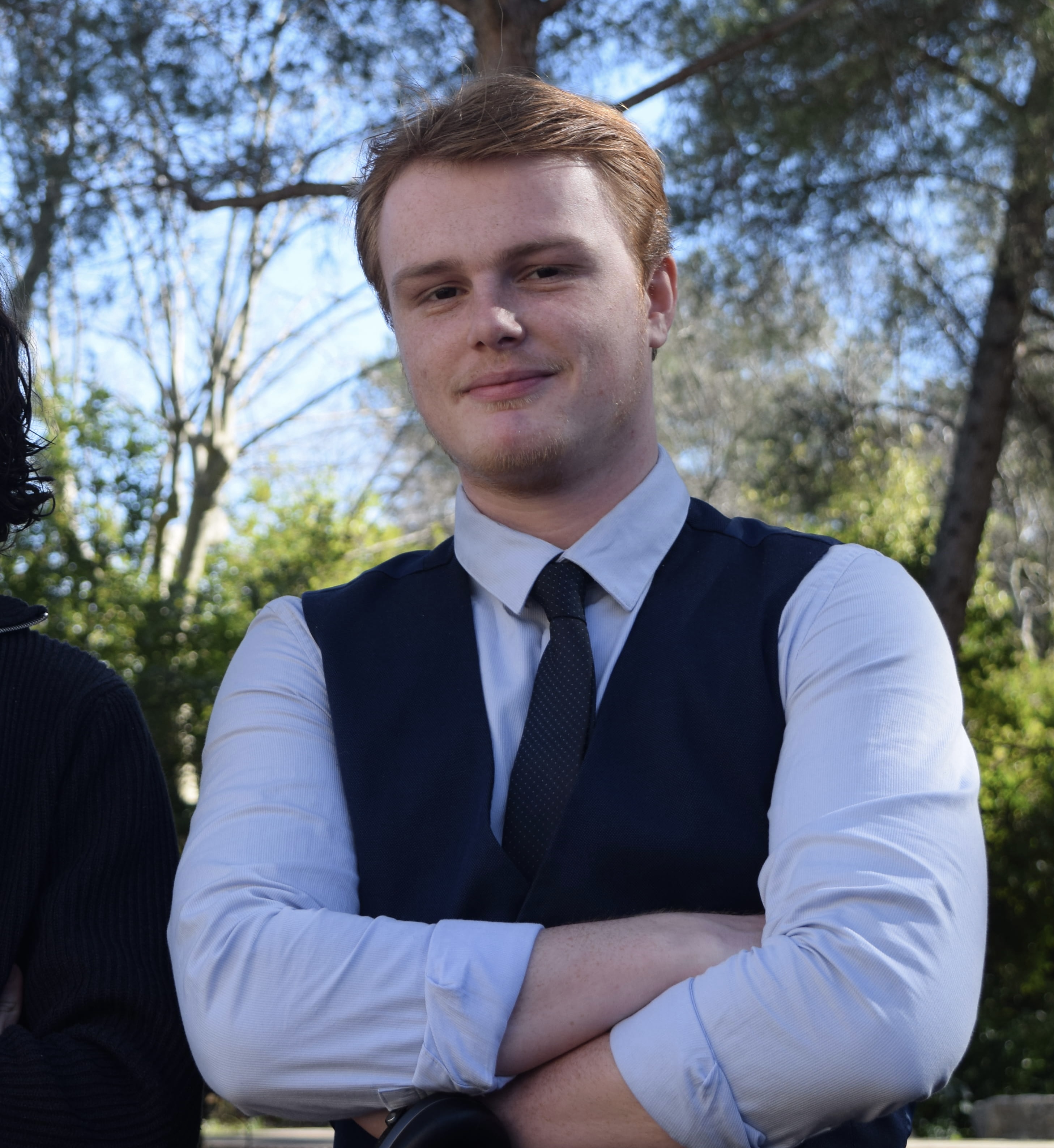
CTO Cloud IAM
Leads cloud and IAM strategy across the Ferris ecosystem, with a focus on identity architecture, platform reliability, and scalable access foundations.
FerrisLabs is building in Rust to prioritize reliability, performance, and long-term maintainability. The suite is open source because we want transparent systems that teams can inspect, adapt, and self-host when needed.
 FerrisLabs